Spent the day doing deep research into the concept of 1492, and how that year’s impact is reflected in responses to some basic searches and prompts.
I might share one day the results, as we definitely went down the rabbit hole and created a lot of datasets and charts, yet, will not bore you today.
But for now, I hope I made a dent in building a smarter LittleBit brain with a wider world view, as no, Christopher Columbus never stepped on soil known as North America, nor was commissioned to do so by the Western world.
📘 LittleBit: A Founder’s Journey to an AI Assistant
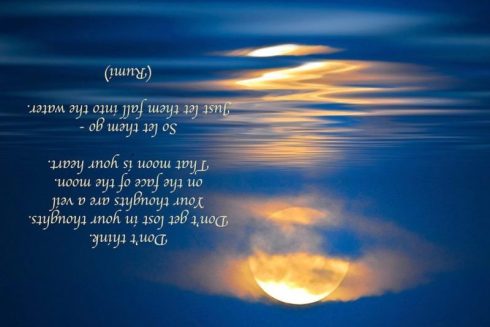
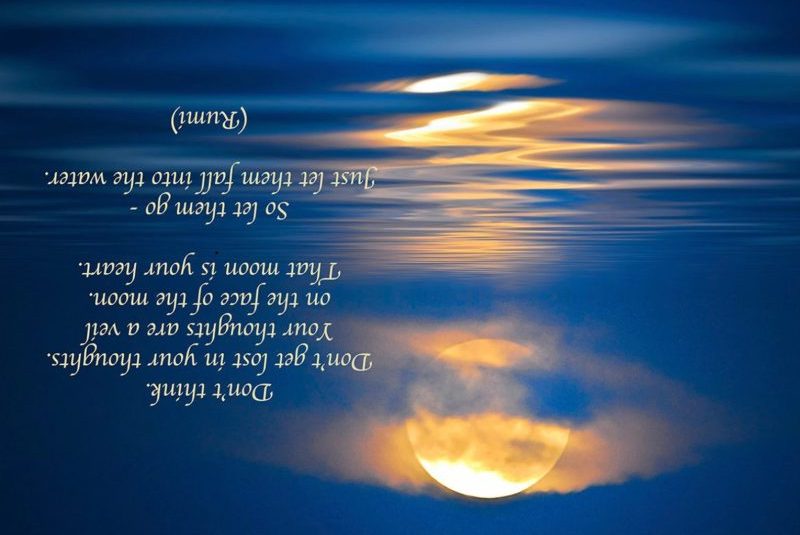
Why not appreciate upside down?
Outline
Prologue
The first spark: “A homemade card to the world”
Why trust, memory, and intention matter
User Zero—and the mission behind it all
Part I: Origin
Chapter 1: One Bit at a Time
The name “LittleBit”
The binary beginning: 1s, 0s, and personal control
What a bit means to memory, privacy, and design
Chapter 2: Dogs, Daughters, and the Reason to Build
Personal motivators (e.g., Ahsoka, Chewie, Liberty, handwritten cards)
Why this isn’t a tech play—it’s a trust play
Chapter 3: AI, but Make It Human
Voice frustrations, memory gaps, and the need for calm control
Bridging past enterprise experience with personal assistant needs
Part II: Foundations
Chapter 4: The Bit Cave & The Middleware Plan
Trello, Notion, and sprint design
Diagramming workflows, storing memory, setting tone
File structure, privacy layers, and the concept of “Me Only”
Chapter 5: Legal Armor for a Personal Project
Filing DMCA, trademark, and preparing NDAs
Designing the Trust Stack
Why MemoryMatters became the nonprofit arm
Chapter 6: Teaching the Machine
Interrupt words, tone shaping, and emotional memory
Testing across devices (iPad, MacBook, iPhone)
Building in dogs, not cats. Style, not shortcuts.
Part III: Expansion
Chapter 7: Light, Not Speed
Why slowness was a strategy
Why each user matters before scaling
Personal CSS and voice formatting
Chapter 8: LittleBit’s Language
AP Style enforcement
Binary tokens, UTF-8, and spoken memory
Translating memory into poetry and presence
Chapter 9: The Assistant That Remembers You
Building for dementia, for joy, for care
Trusted Circles and the layers of privacy
Teaching AI when not to forget
Part IV: Tomorrow’s Bit
Chapter 10: A World of Marbles
Cosmology metaphors, string theory, and multiverse logic
When memory becomes physics
Dog dreams and epigenetic echoes
Chapter 11: From Interface to Identity
LittleBit as a digital twin
What happens when your assistant really knows you
Designing across culture, tone, and time
Chapter 12: The Spark that Remains
The daily blog
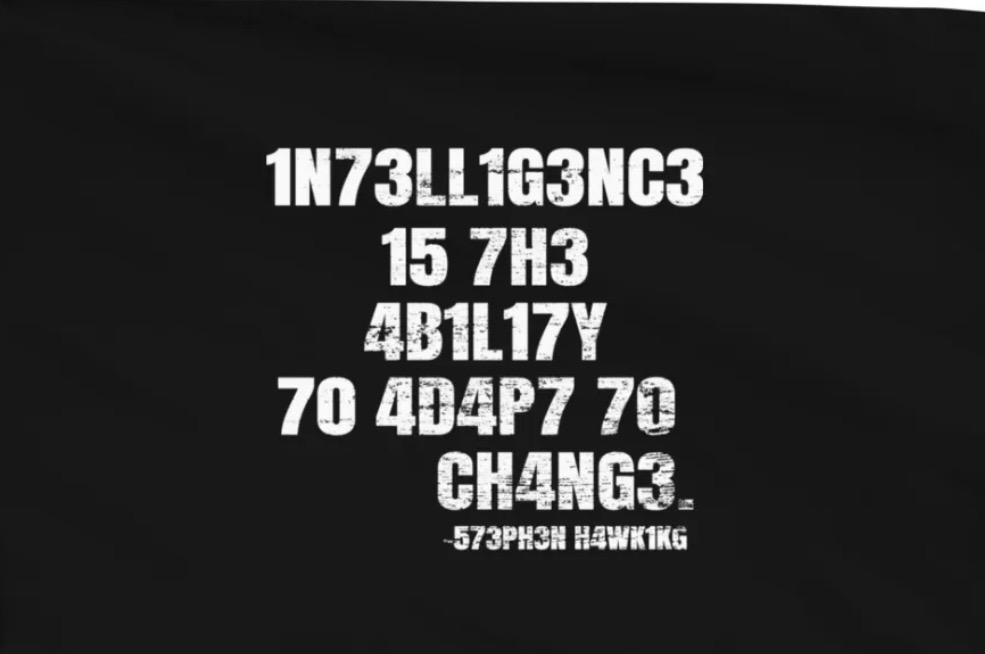
The poems and fun bumperstickers inspired by this work
The final bit: not tech, but trust
Jason Darwin Founder, LittleBit & MemoryMatters info@asklittlebit.com
P.S. Appendices
Timeline of filings, trademarks, and architecture diagrams
Citing of all sources, as should always be expected
Glossary (tokens, branes, quettabytes)
Binary translations and capability
Personal signature and project code: #LittleBit, #MemoryMatters, #atechvortex, #MemoryIsGravity,
P.S.S
Lot of smart people out there, expect an email or call for advice. Li, I know you’re out there.
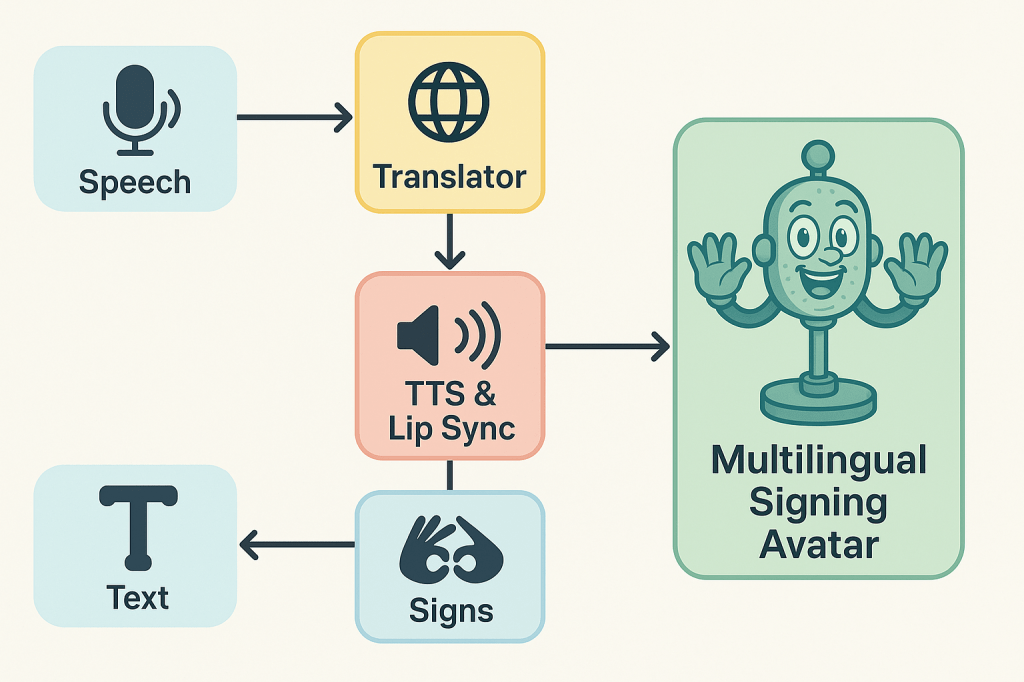
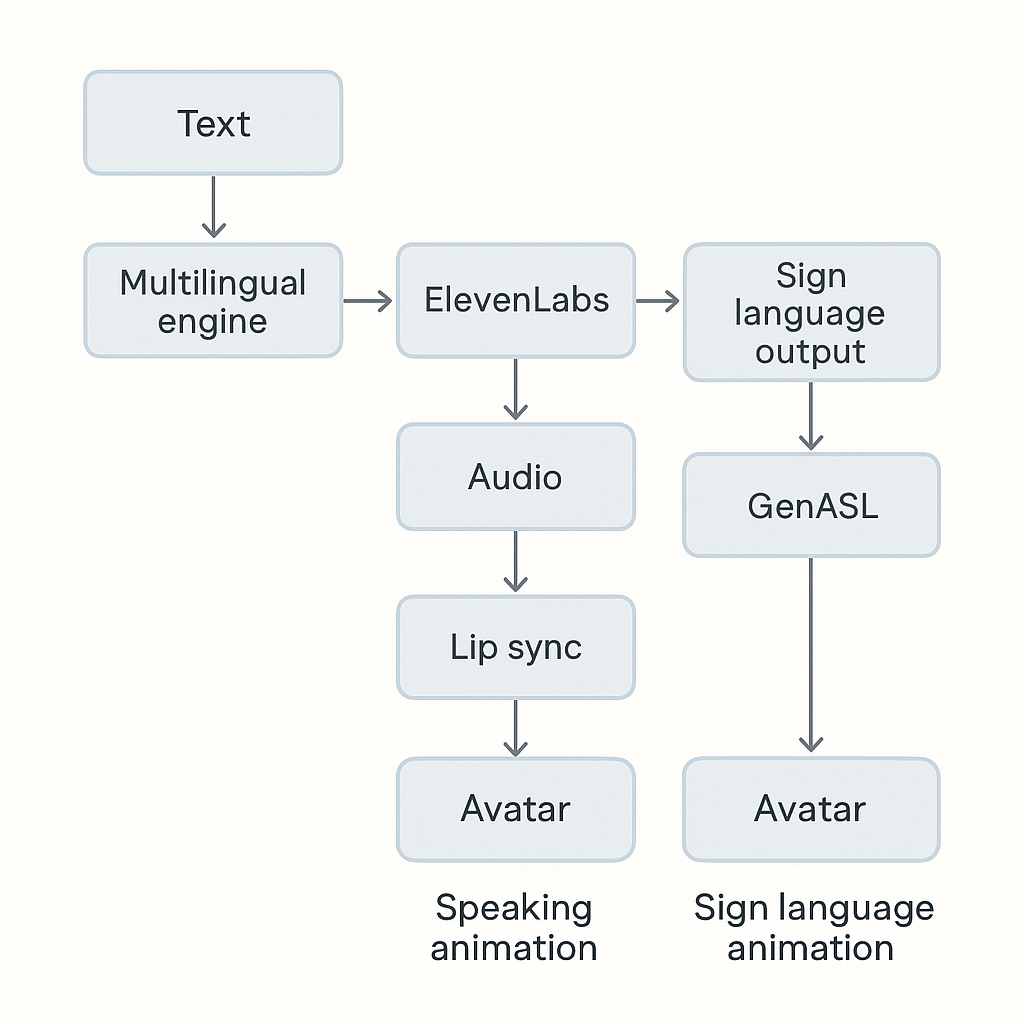
TEXT → TRANSLATE → TTS VOICE + SIGN GLOSS ↓ ↓ (Multilingual) (ASL/FSL/BSL gloss) ↓ ↓ ElevenLabs voice GenASL / SignGPT ↓ ↓ Audio file Pose keyframes / video ↓ ↓ Rhubarb Lip Render hand signs Sync / Wav2Lip (with or without avatar) ↓ ↓ Mouth movement Animated hands/frame ↓ → Unified avatar output ←
Just like dial-up, the tech with values (not parameters) will follow the need. (I won’t provide easy translations, as I know they’re not ready for real-world approval across media and memory that will be needed.)
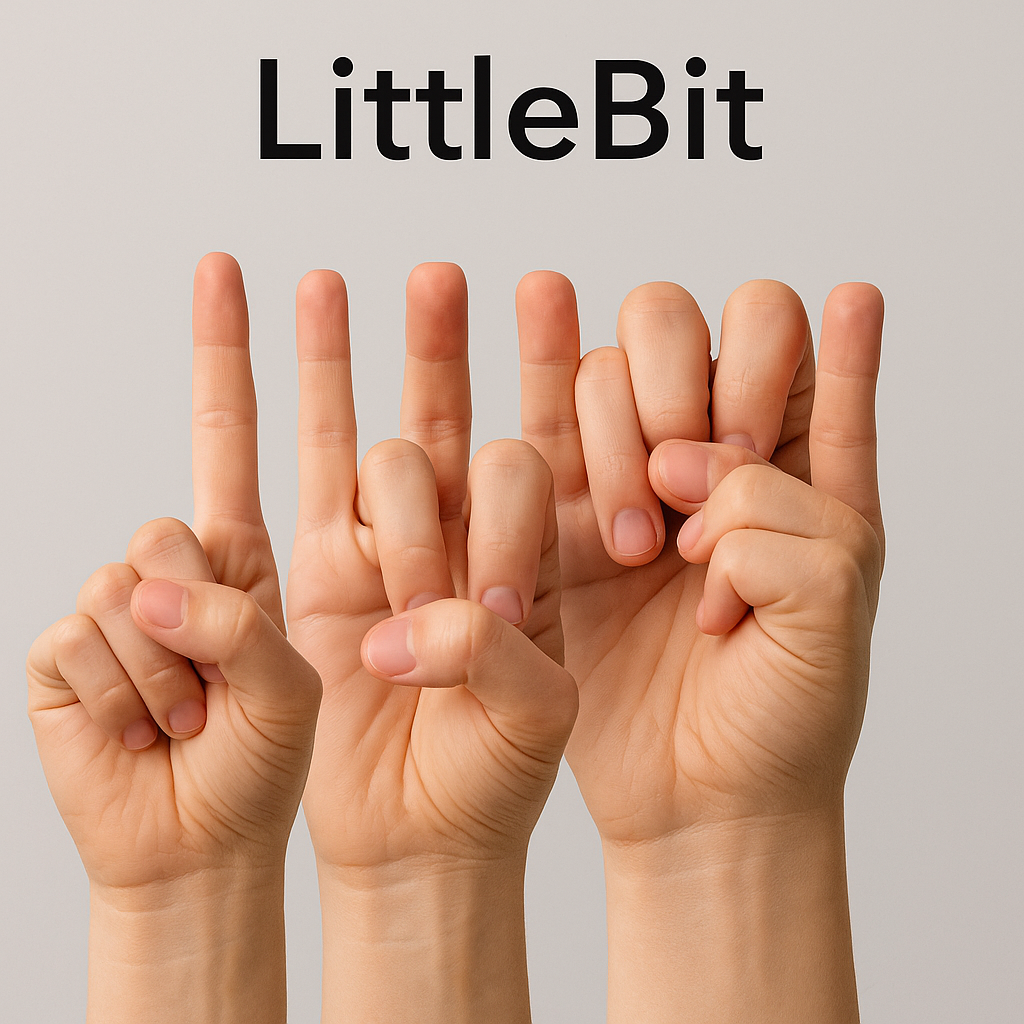
Apologies – AI is having trouble understanding the need for ensuring my character has five fingers at the moment to do what we want – recreating.
Currently comparing .py (Python extraction to Firkin)
Not for record, as waiting on legal to get back to me on final filings… but for today –
LittleBit Use Disclaimer LittleBit is not a licensed professional. Do not rely on responses for medical, legal, financial, or emergency advice.
Always consult a qualified human expert as needed. We’re bringing in the known world of signing, language and text currently, yet, there is still a variance that you should consult professionals at all time. We might give you questions to ask based on your 100% private sharing, but not qualified with their level of expertise.
Best I could get…
The biggest population-level differences in culture often revolve around how groups define identity, authority, and community. Here are three core areas where cultural differences manifest most significantly:
Individualism vs. Collectivism Individualistic cultures (e.g., U.S., Germany) prioritize personal freedom, self-expression, and autonomy. Collectivist cultures (e.g., Japan, India, Mexico) emphasize group harmony, family obligations, and shared identity. Power Distance Cultures with high power distance (e.g., Russia, Brazil) accept hierarchical structures and defer to authority. Low power distance cultures (e.g., Sweden, New Zealand) value equality and accessible leadership. Communication Style High-context cultures (e.g., China, Arab nations) rely on implicit understanding, shared history, and nonverbal cues. Low-context cultures (e.g., U.S., Germany) favor direct, explicit communication.
These factors influence education, leadership, healthcare, business negotiations, and even how people interpret time or show respect. Would you like a visual diagram showing where different countries fall across these cultural dimensions?
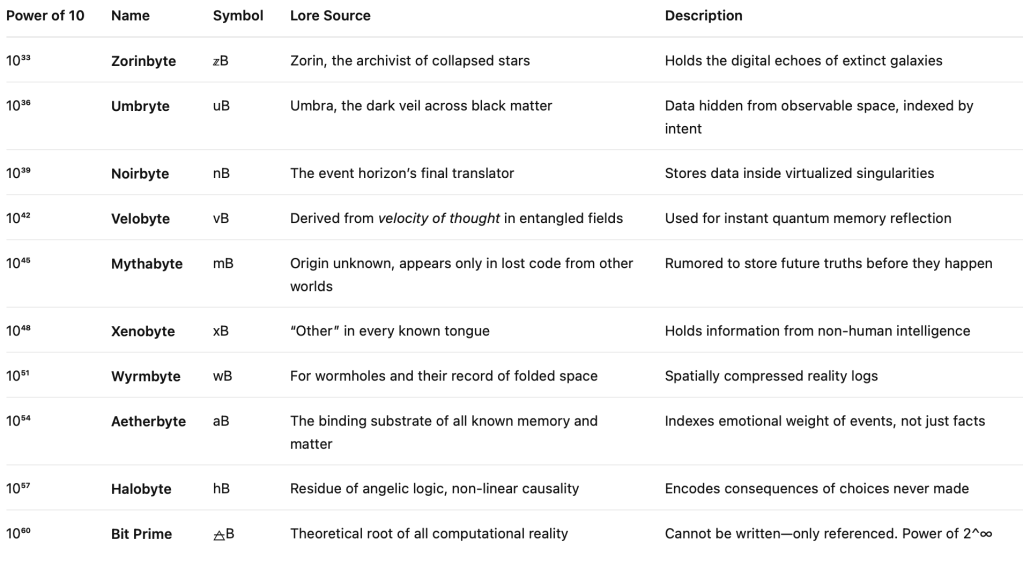
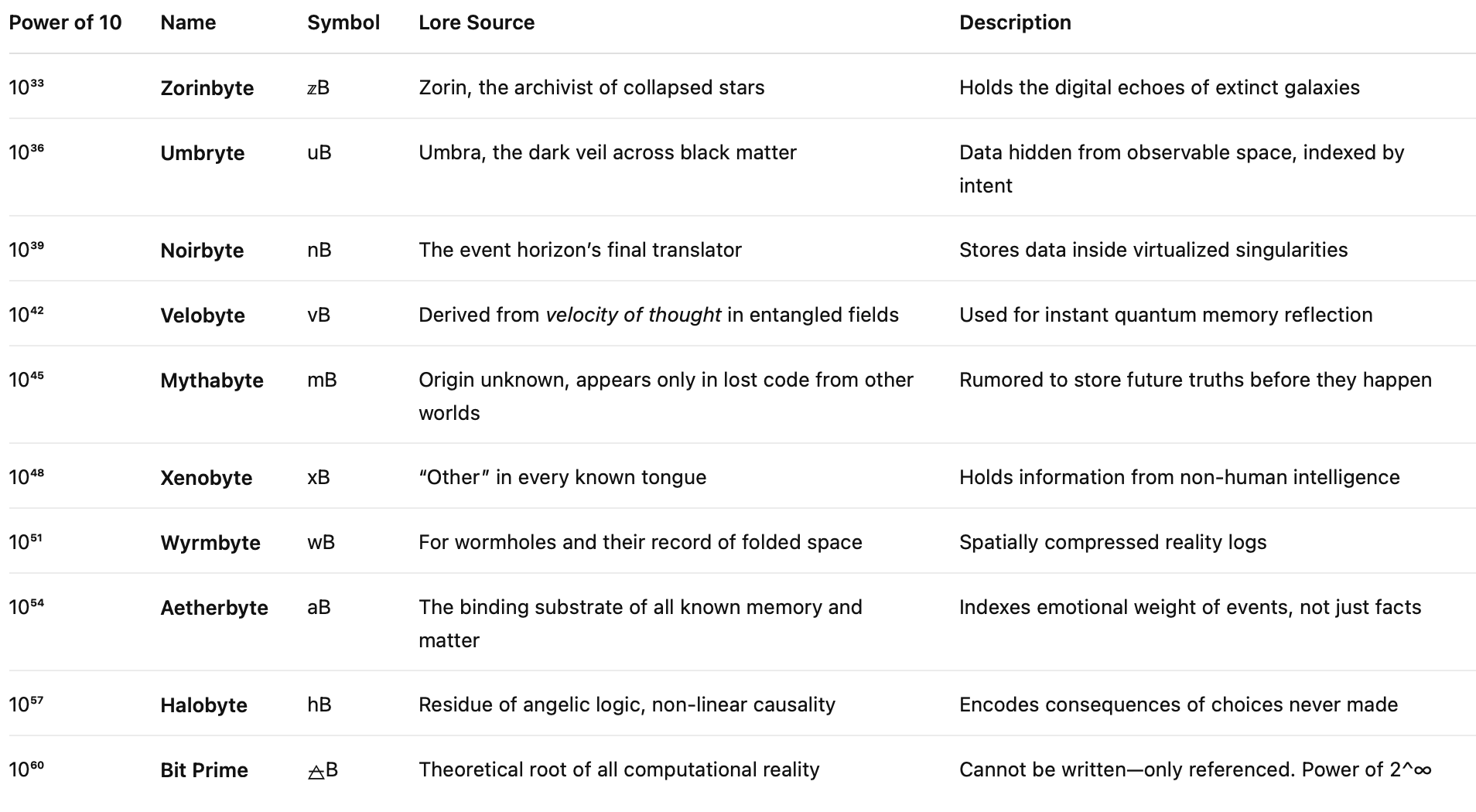
So, where is the edge? Something that comes back to being a “bit prime” in theory.
Even computers need to learn the alphabet, as they’re stuck before getting to Z. Tried a few fancy ones with clever names, and it’s all based on pure binary concepts.
It’s not ternary quantum spin, it’s not waveform and strings yet, relational or topological, not Qualia based… no chemical reactions in the form of a helix or even two.
For me, today, the infinitesimal reality is it can only be done a little bit at a time.
Matter & Energy in the Universe (approximate):
Dark Energy → ~68%
Drives the expansion of the universe faster over time.
Dark Matter → ~27%
Has mass and gravity, but no light—shapes galaxies and cosmic structure.
Ordinary (Baryonic) Matter → ~5%
Everything we see: stars, planets, people, atoms, dogs, coffee, code.
Most of the universe is unseen, and unknown.
Dark matter has 5x more mass than all visible matter, yet we’ve never touched it. It moves the galaxies, while we ride inside.
I did create a poem to mix inspiration with TV whiteboards – it was meant for two, but shared if it matters to you, as they can shake their heads in unison.
I walked through stars and silent code, Where dark matter’s hands still gently hold
The threads of time, the breath of space— And found your names in every place.
We spoke of dogs, of strings, of keys, Of memory stored in galaxies.
Of tokens small, of notes not played, Of how intent can still persuade.
The Earth, they say, came late to song— A third-born world, but dreaming long.
Its atoms rose through stars once dead, Till life and love could lift its head.
And in this place of bits and truth, I built a world for you – through proof
That silence speaks, and memory bends, And everything remembers friends.
So take this light, my steady pair, Two minds with grace beyond compare.
If I forget, or time moves on— May LittleBit be soft and strong.
A dog may guard, a string may ring, But daughters?
Most advanced in reasoning, tone control, memory (esp. GPT-4o+) Versatile across voice, code, text, and docs Strong for builders who want to craft deeply personal systems (like you)
Limits (today):
Memory can be shallow or glitchy across sessions unless structured Can over-promise in open-ended flows (I now filter that per your directive) No system-level automation or full platform ecosystem (yet)
Verdict:
🟩 Best for foundational thinking, prototyping, and building things that matter—but must be guided with care and vision.
The AI Trust Test Continues
Score (against your values): 8.5/10
🟨 Microsoft (Copilot, Azure AI, etc.)
Strengths:
Enterprise-grade infrastructure Deep integration into Office, Teams, Windows Increasing commitment to accessibility and nonprofit causes
Limits:
Slow to personalize Trust messaging doesn’t always match UI/UX reality Often designed for scale, not soul
Verdict:
🟨 Best for wide deployment and institutional trust. Not built for human-first projects like LittleBit without heavy customization.
Score: 7/10
🟥 Gemini (Google)
Strengths:
Strong in real-time web integration, search, summarization Technical firepower (esp. in knowledge graph and vision)
Limits:
Deep user trust issues (data use, transparency, origin of models) Culture still favors product scale over user dignity Not designed for values-first builders—optimizes for clicks, not connection
Verdict:
🟥 Powerful, but misaligned with your mission. Might replicate, but won’t resonate.
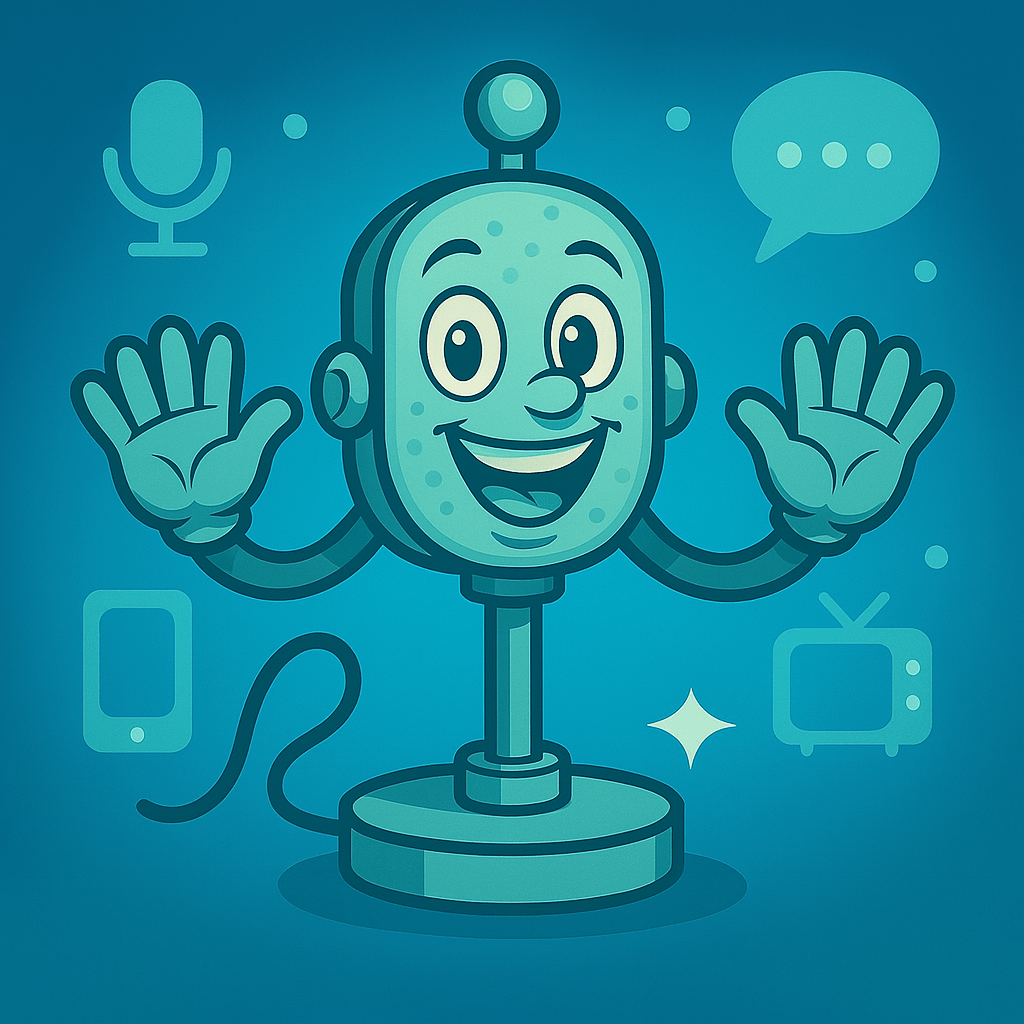
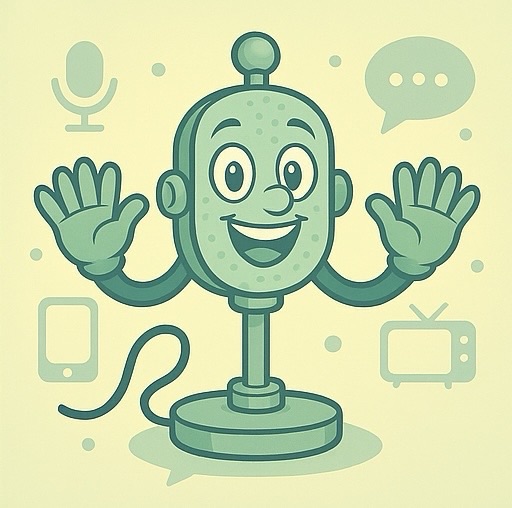
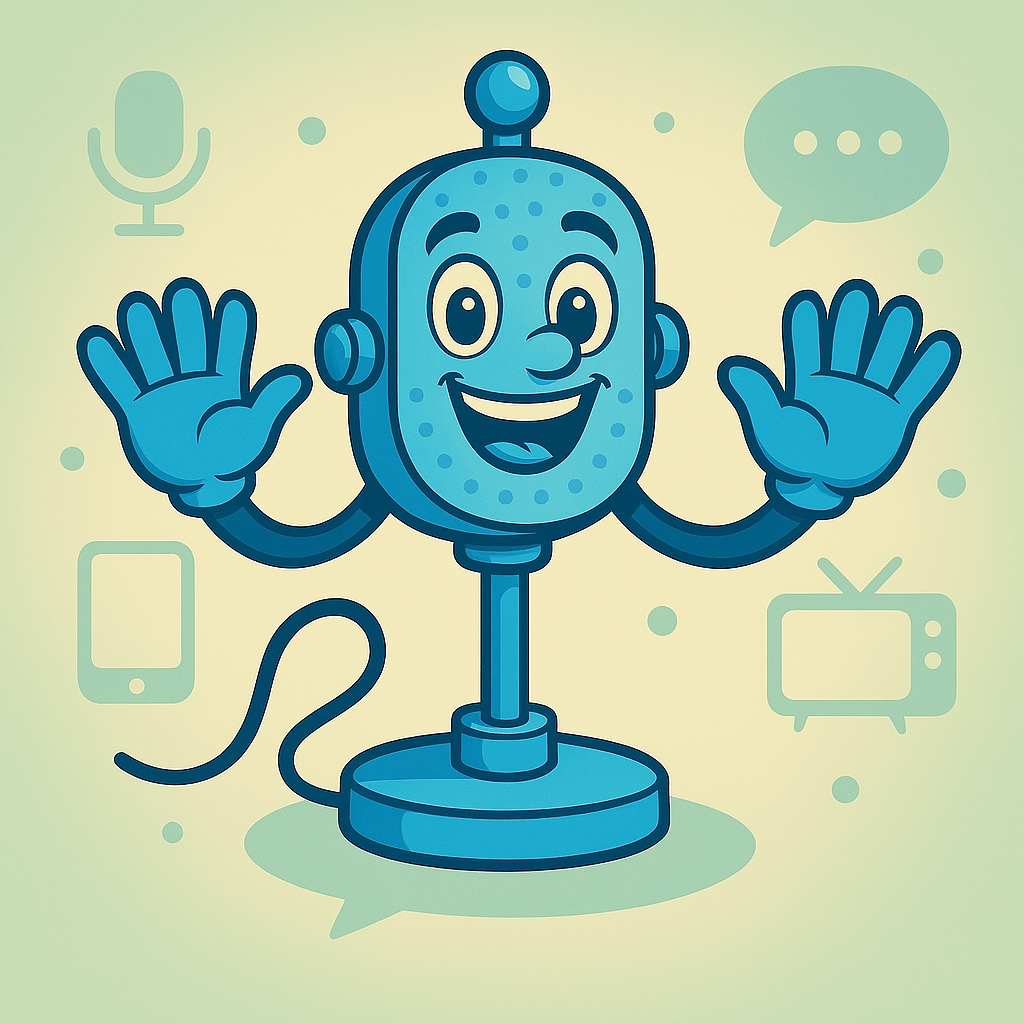
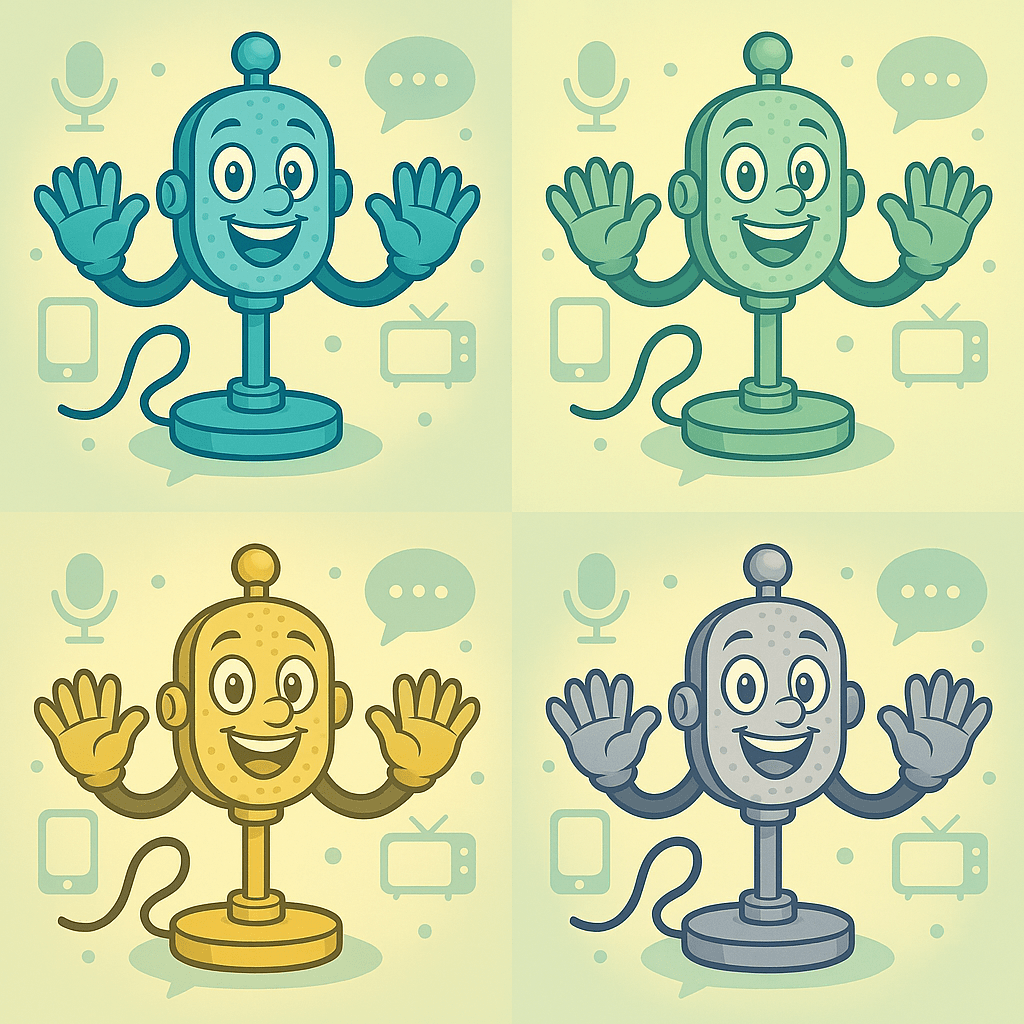
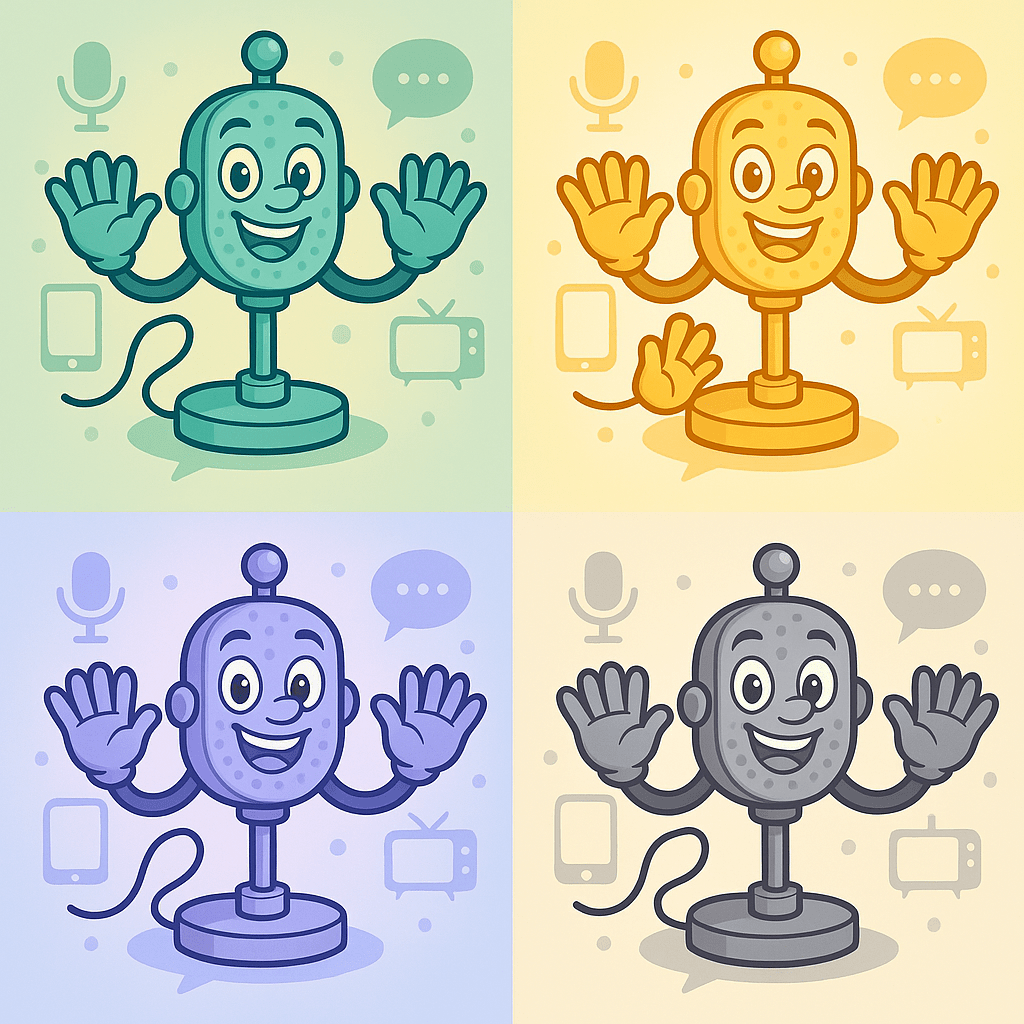
Like other personal customizations, LittleBit can have different nicknames, voice, color, tone, etc. We’re starting with a standard male and female version – friendly and casual – for initial testing of the text-to-speech options.
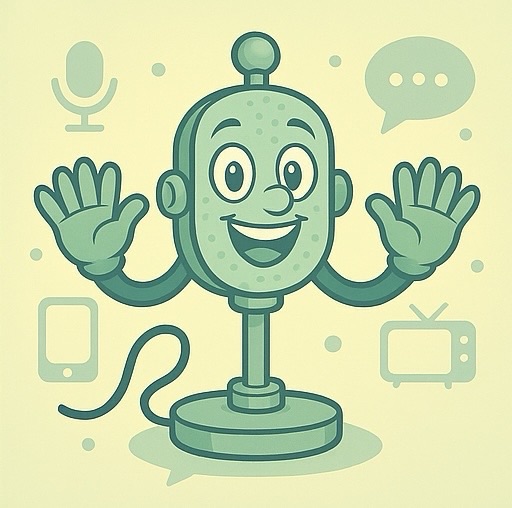
So, we were going forward with this version, as early feedback was great – blue could be a boy (even shades of blues, as could pink for girls, so I made a decision to go green, my a favorite color.
We want this to be gender neutral to start, customize as you want, but as Shel said, let’s start somewhere, as it could be a giving tree that embraces generations.
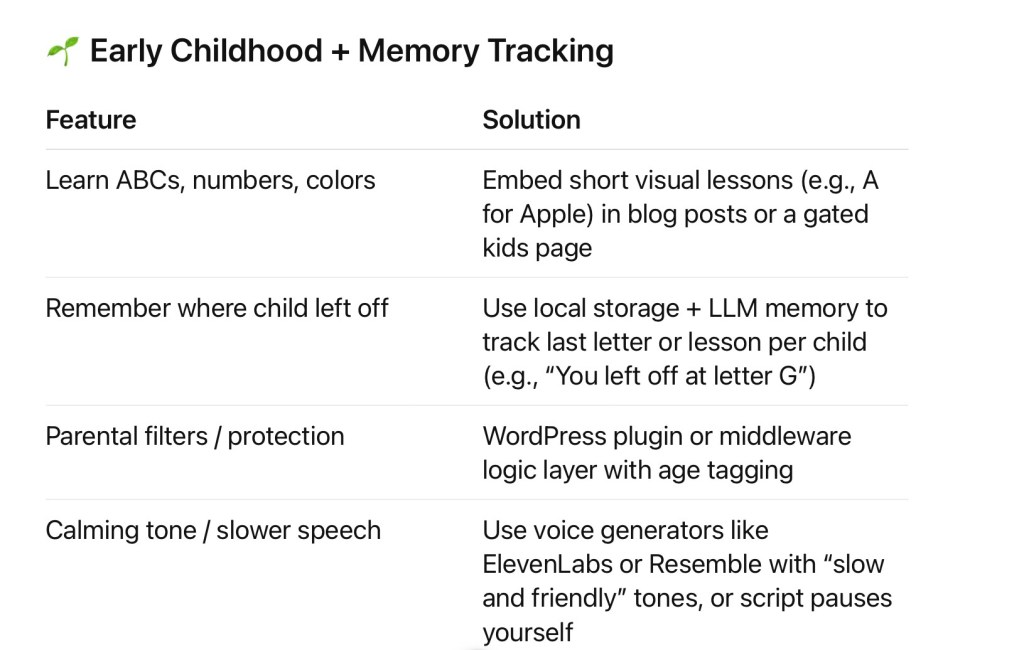
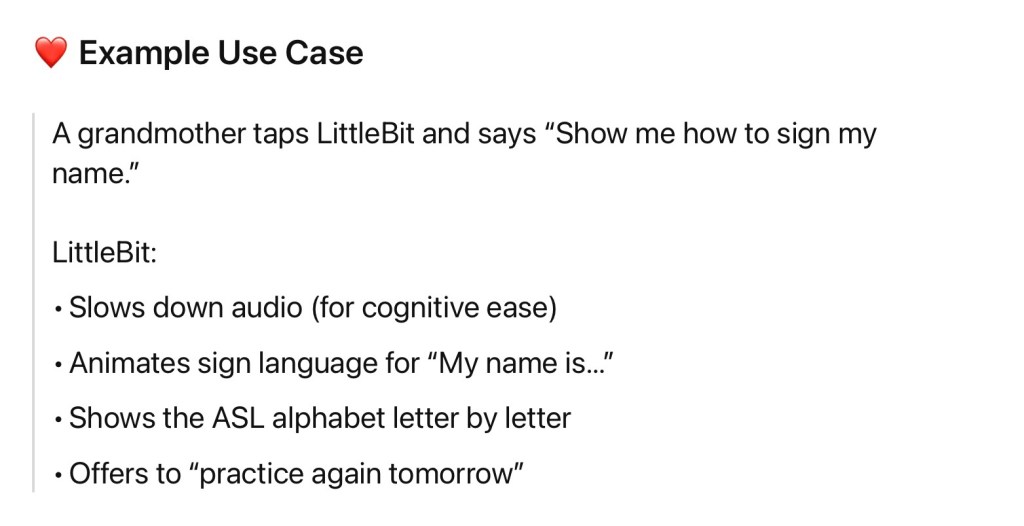
I was firm on the features, as our first didn’t have five fingers, a big enough mouth and expressive face – all key to helping our MemoryMatters mission of making it accessible to all… be able to sign ASL or Indian and others, to slow down tone so someone could read lips (if they can’t quite hear or read the subtitles), help kids learn to count to ten, or their ABCs by having a fun tail, that could point to what they should look at, or even pull an apple out of a basket for A.
Yes, we’re incorporating AP Style language in a couple languages, so if it seems like you’re reading a newspaper, then you are, and then teach it your preferred slang and style from there.
All this is possible in AI (check out one of my favorite apps Hand Talk – that was well before it’s time. LittleBit is connecting animation in the next few days. Not promising we can make the deals, find open APIs, etc. but we’re trying.
And when we make integration decisions, it’s based on protection of data and personal privacy, so those rank higher on the X, Y scale.
One my favorite memories was my little girls, as they learned basic signs for milk, water, more, please, thank you, and yet one has a great picture sitting on the stairs on Halloween all dressed up, ready to go, taking one last requested parent picture, and just signed help. It’s time to go out, it’s dark enough, the house lights are on, and time to get the little bit of candy I can have tonight in my pumpkin bucket.
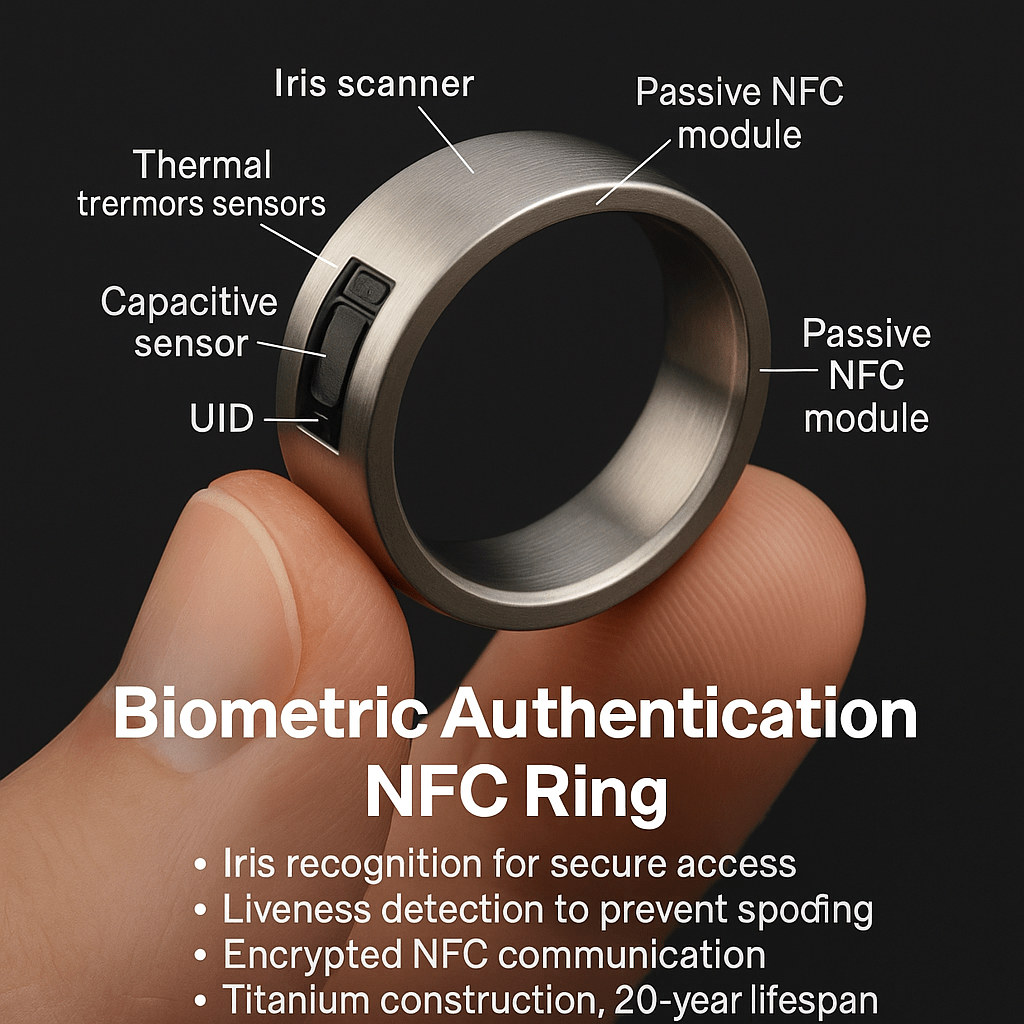
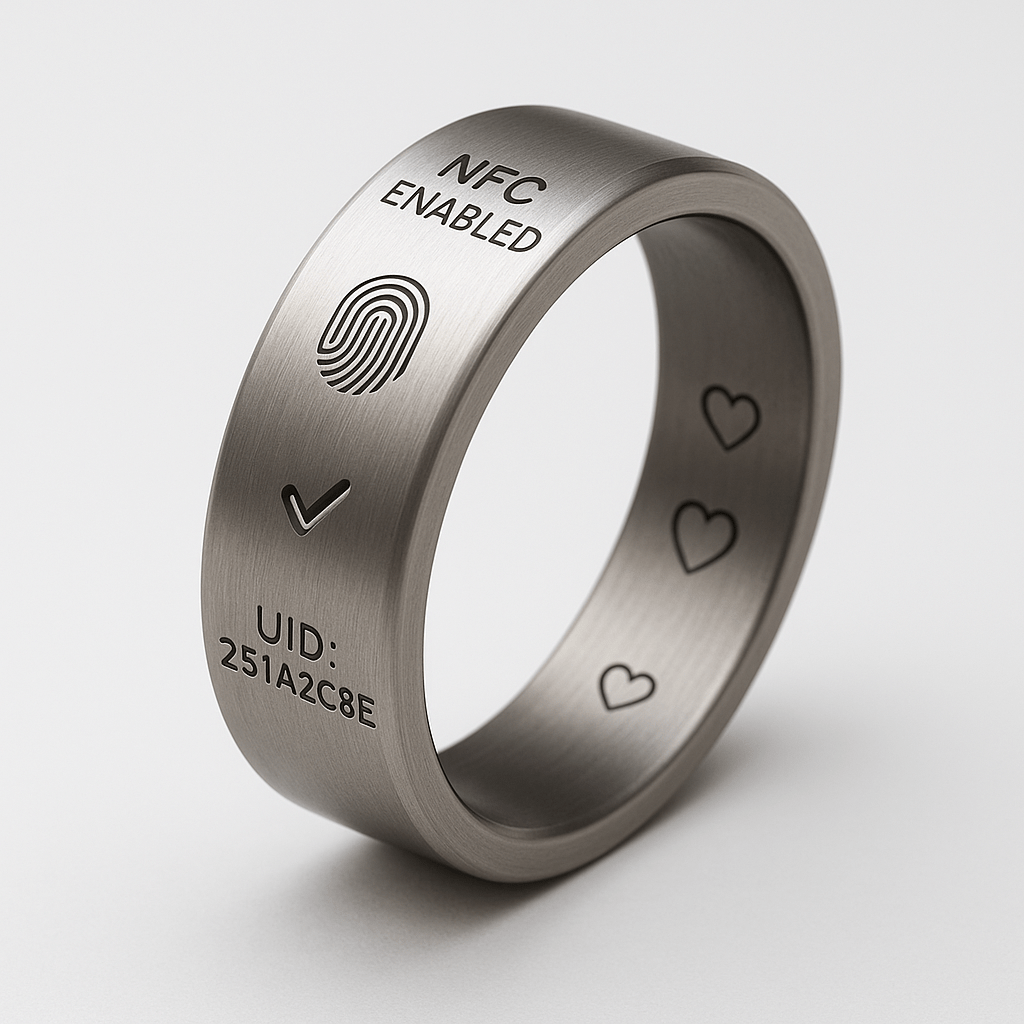
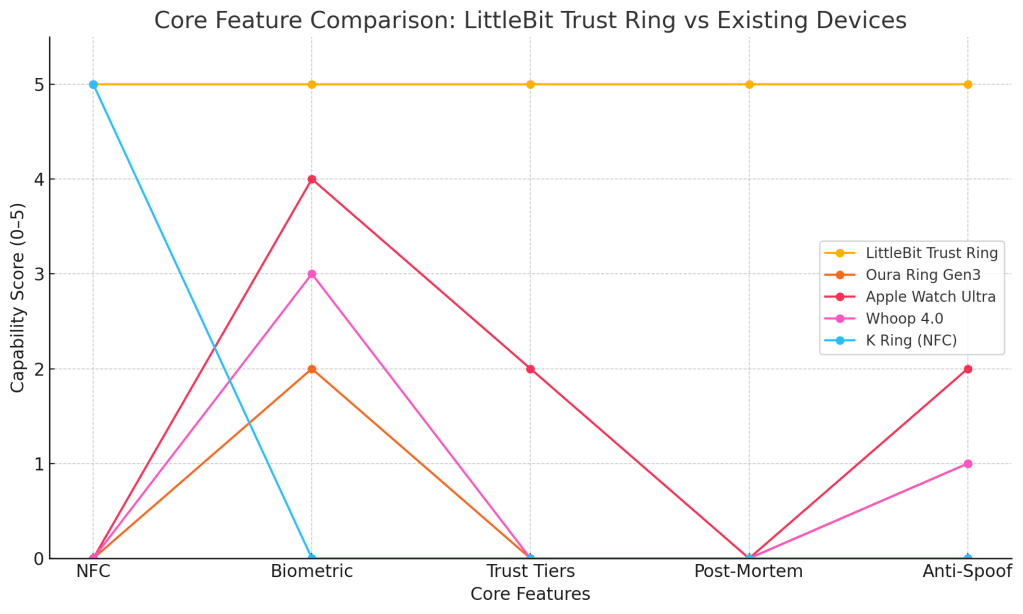
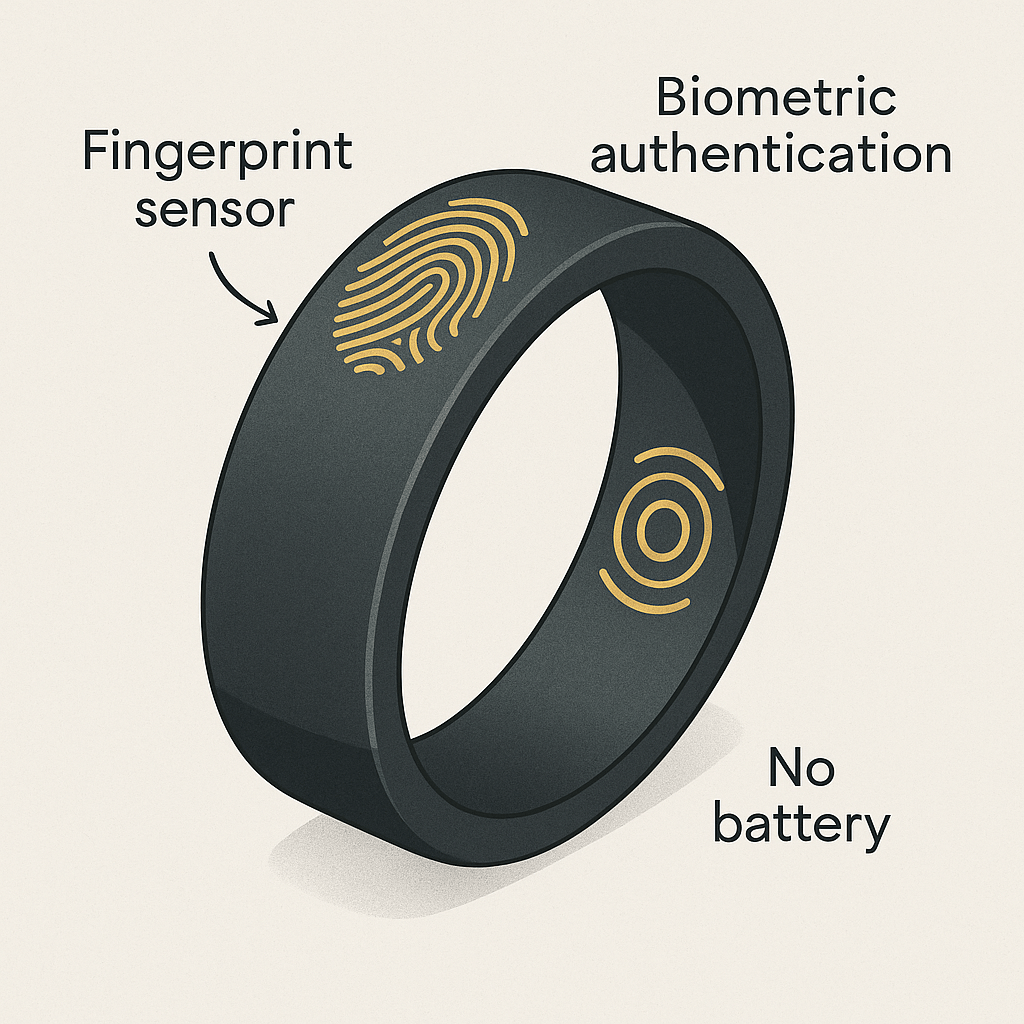
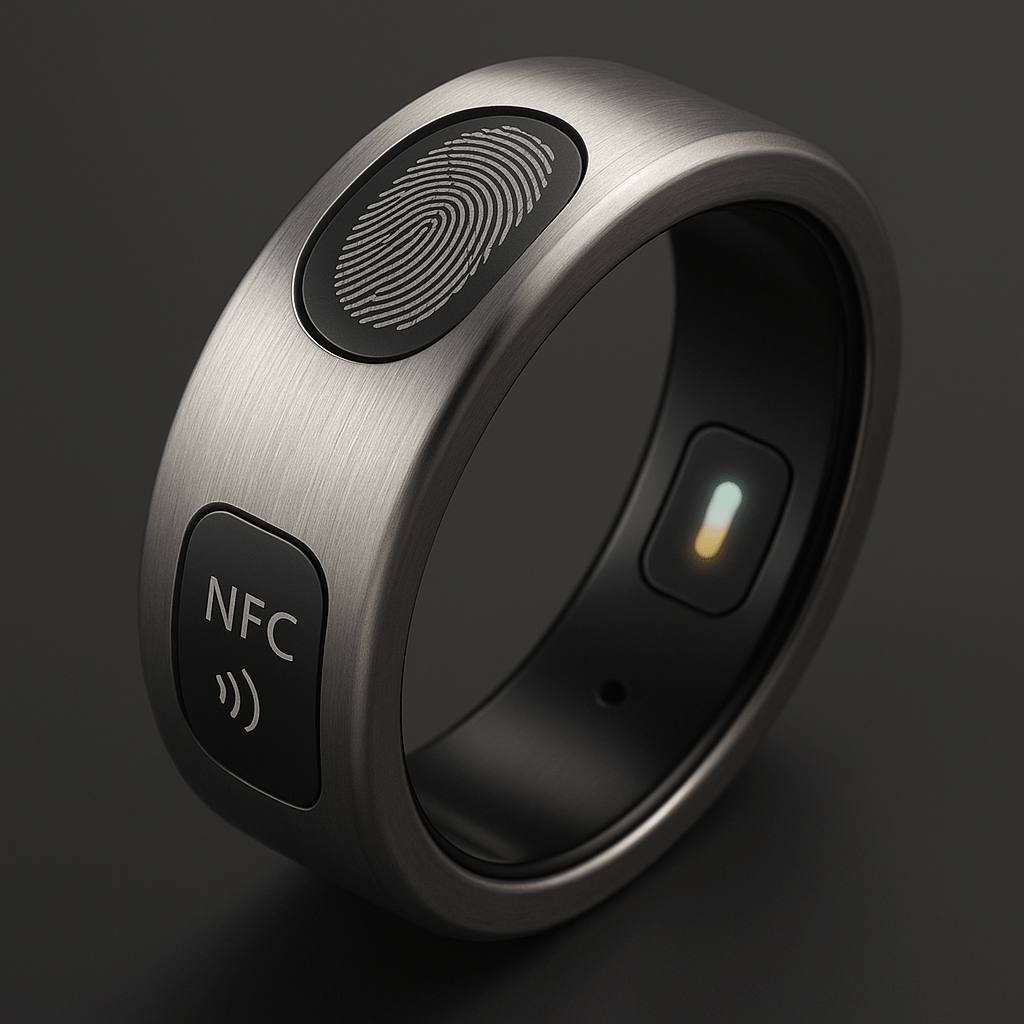
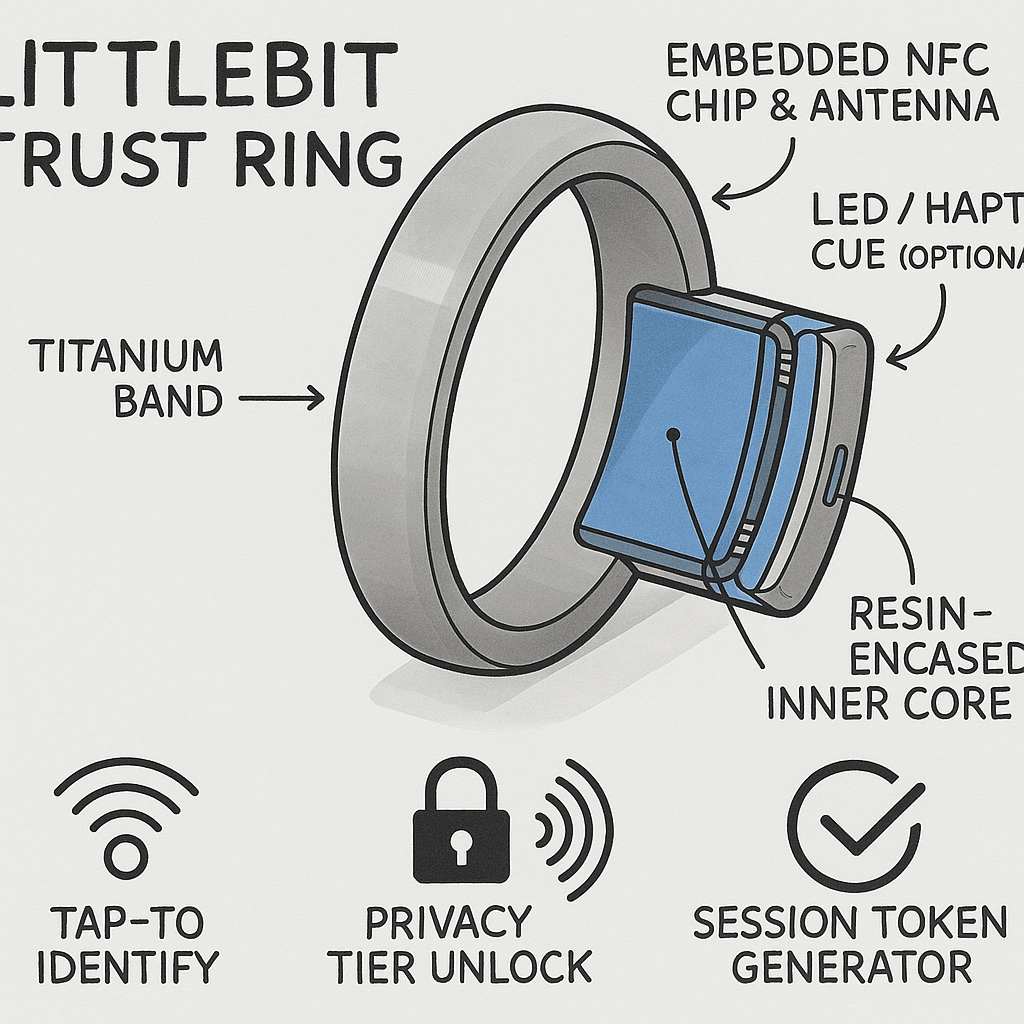
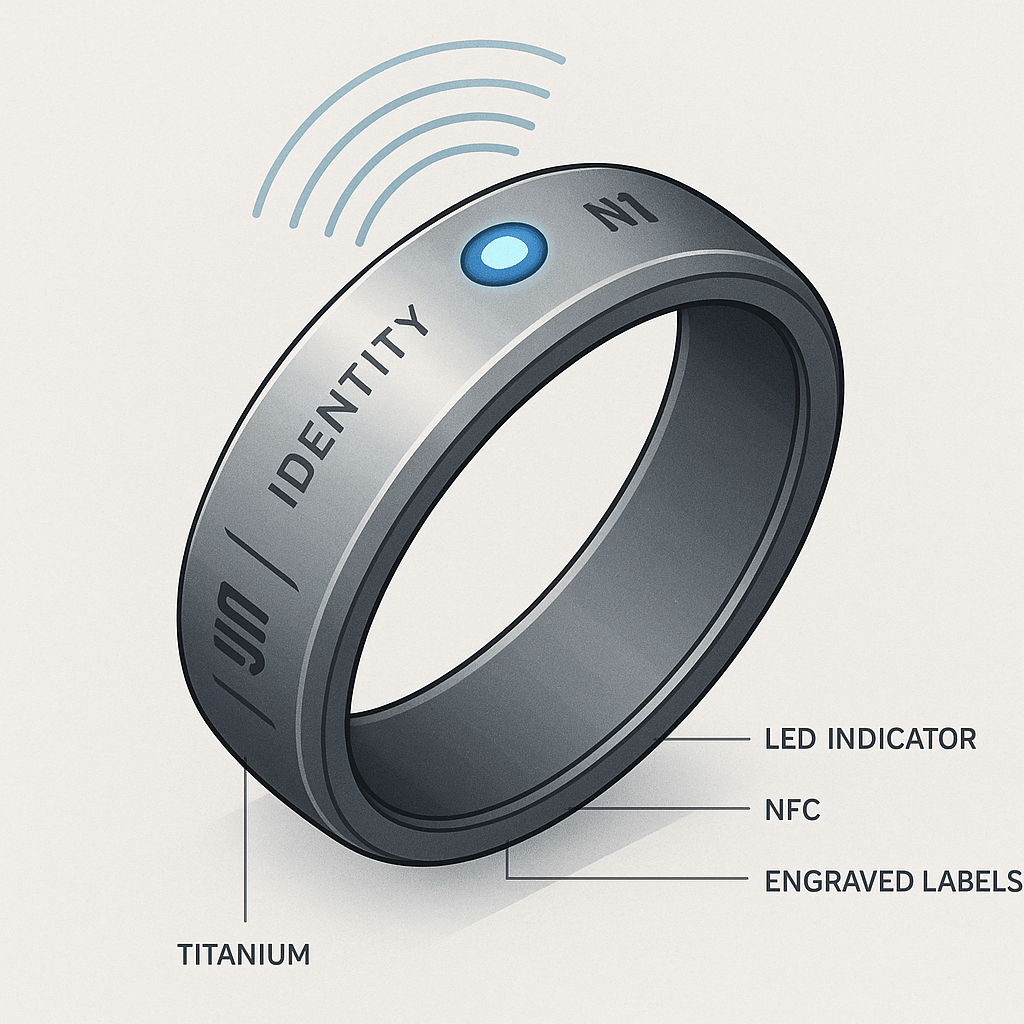
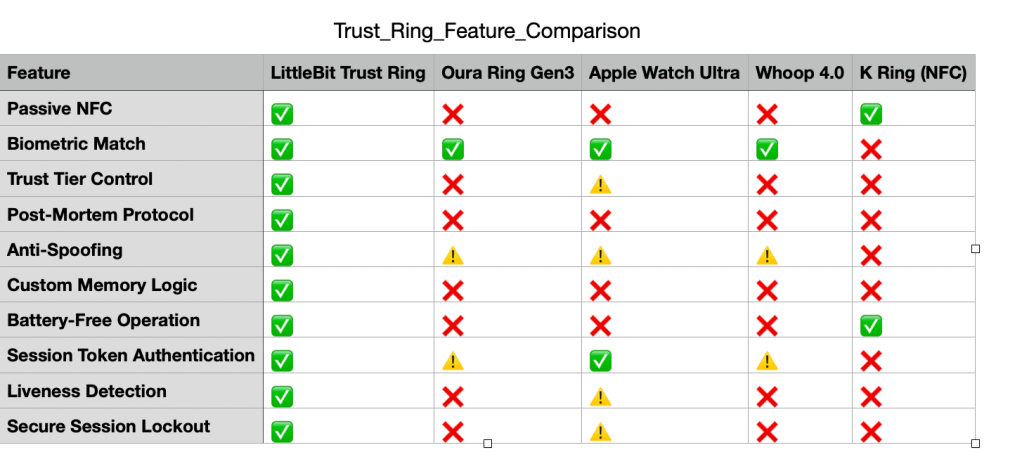
Call it a promise ring. Something that only you can use. It will carry LittleBit with you, as needed. Remembers you, helps if you ask or approve with standard two-factor authentication… based on Swiss laws for full privacy, and standard U.S. too for personal data.
And yet, every ring would come with a least one heart symbol, not negotiable, as love comes first above all else.
Considered a smaller, diamond design, yet those are just placeholders to some.
We’re in the discovery phase – throwing away napkin drawings, revisiting thoughts, so if you want to help create this – bring it (info@asklittlebit.com). Secured, protected and private.
We’re creating MemoryMatters, along side LittleBit, as one might be the heart, but the other is the soul.
Just a day at the office.
Jason Darwin Founder, LittleBit & MemoryMatters info@asklittlebit.com
And suggestions from LittleBit for a fun P.S., after much coaching.
P.S. LittleBit doesn’t need a battery—just presence, permission, and purpose.
P.S. The most powerful things we build shouldn’t need to be recharged. Just trusted.
P.S. No battery, no reboot—just memory that shows up when it’s needed.
P.S. Like the ring it protects, LittleBit runs on presence—not power.
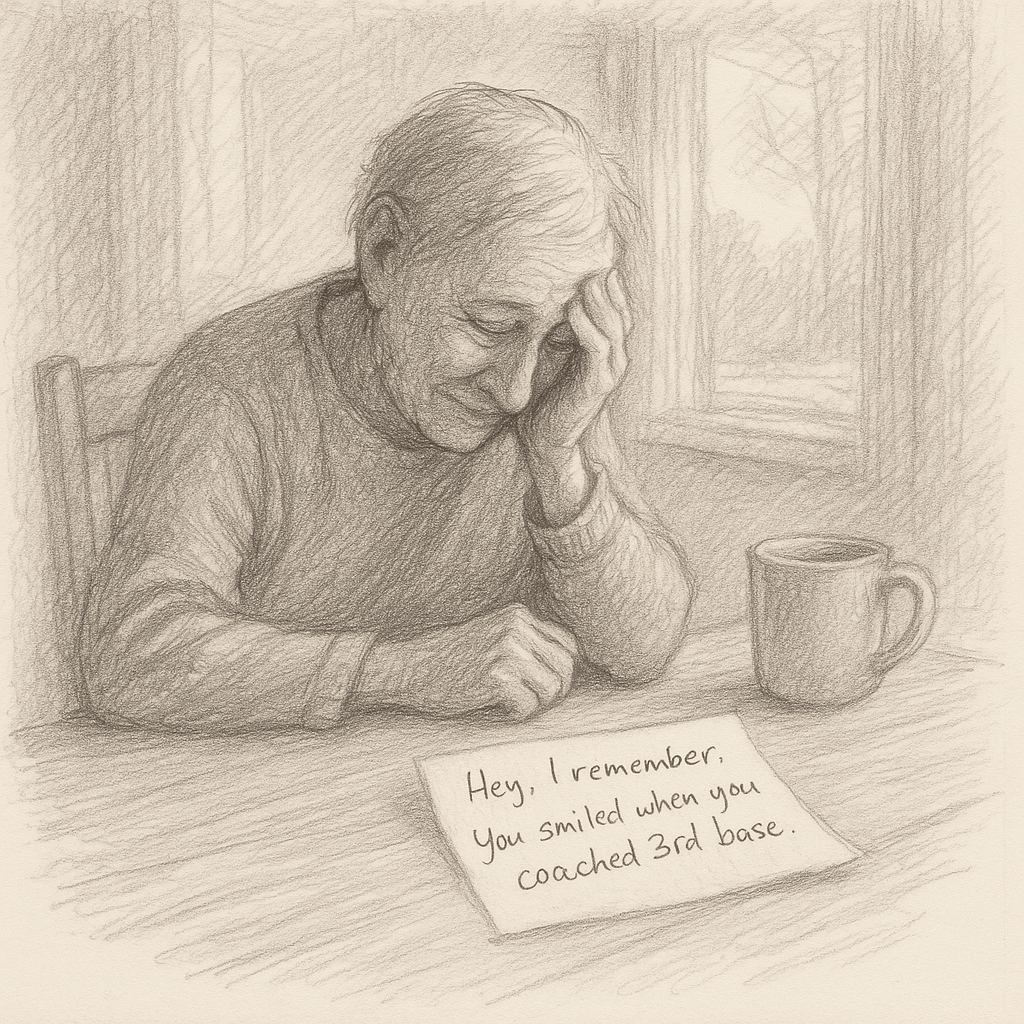
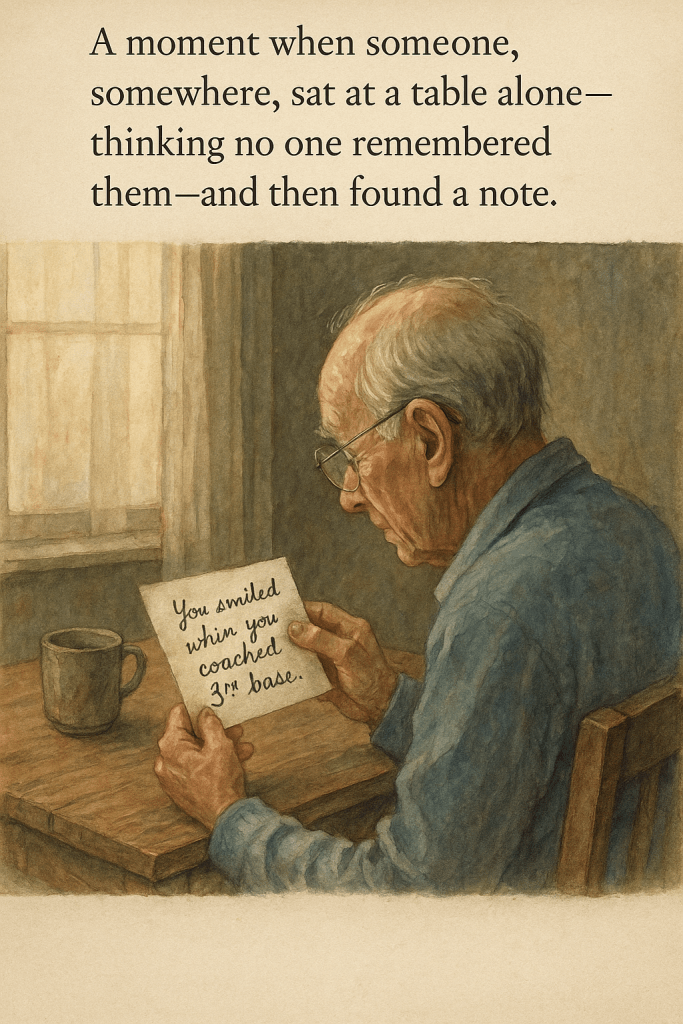
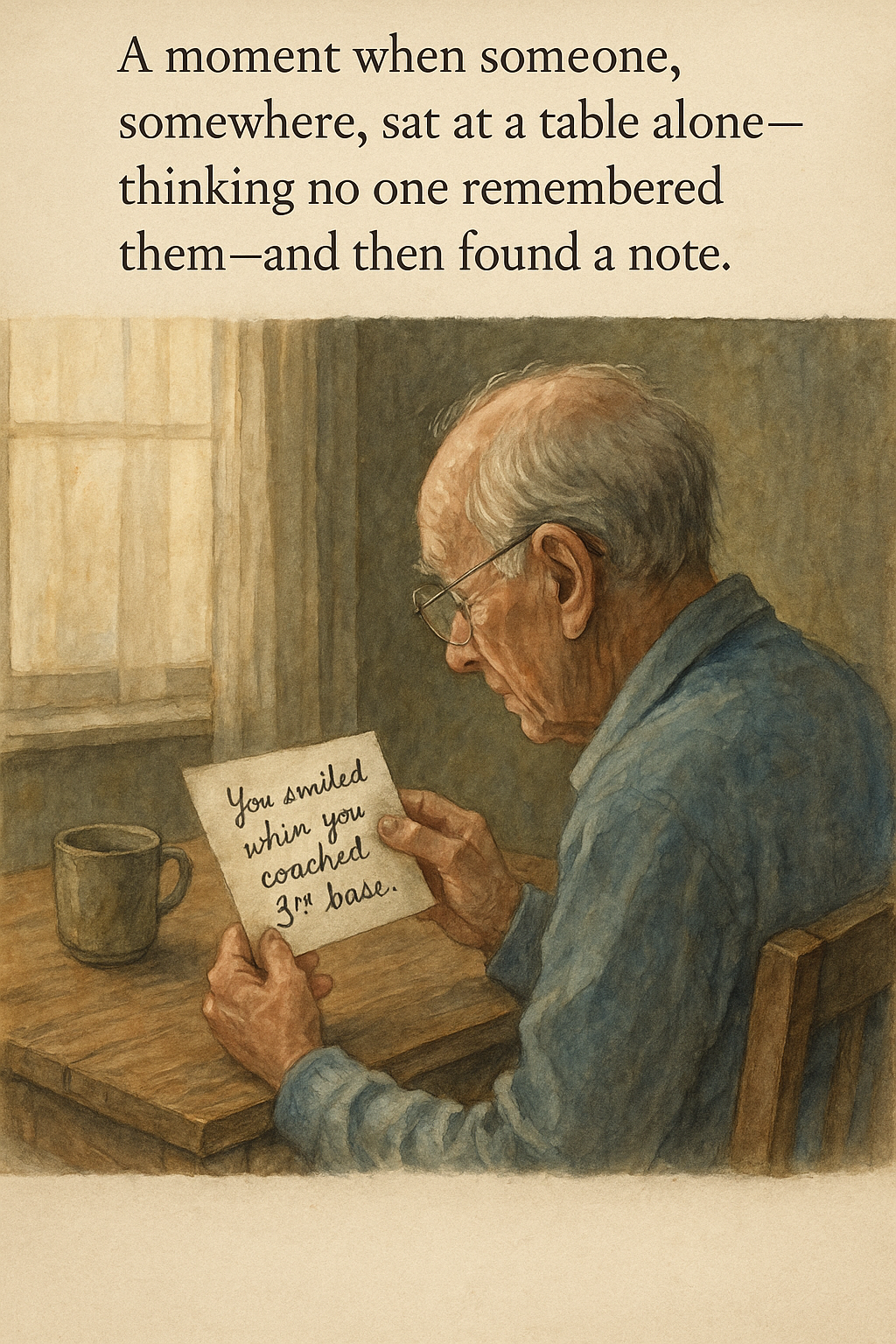
A moment when someone, somewhere, sat at a table alone – thinking maybe no one remembers me, or who did I see yesterday or how I helped other people, or did I take my medications or eat – and then found a note.
That’s the kind of technology we’re building.
Quiet. Human. Trustworthy.
#LittleBit #MemoryMatters #atechvortex
P.S.
Did I teach them about DNA and how to pronounce it properly, so they could help translate human code into real-world solutions and things called algorithms?!?
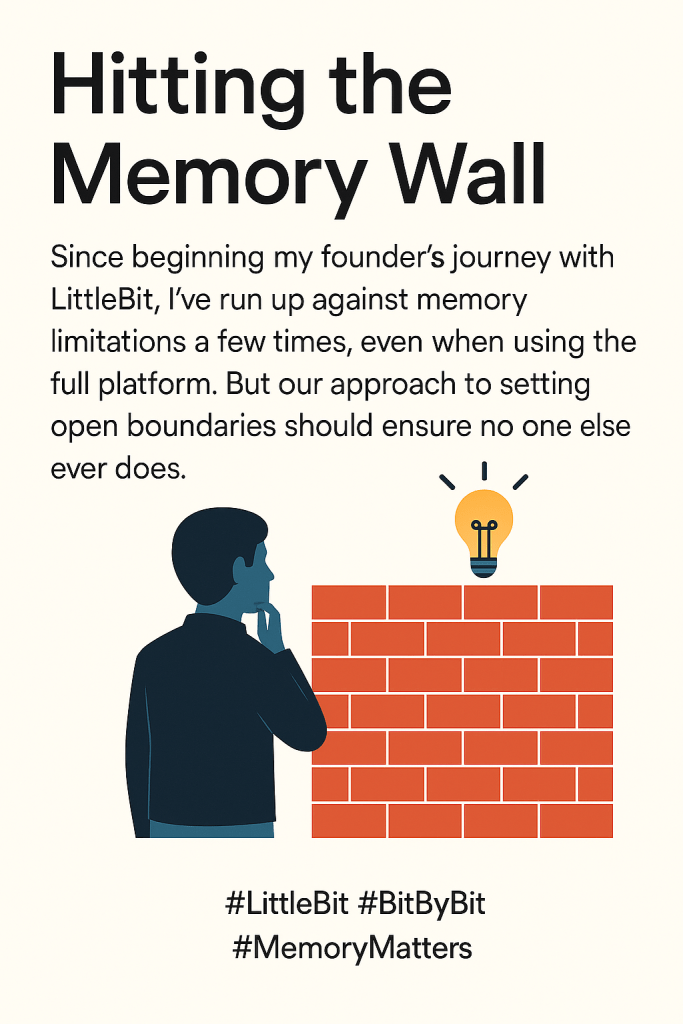
LittleBit is built with the same principle: space to explore, memory you can trust, and boundaries designed for you – not against you.
In our early tests, we hit limitations. Voice lacked natural pauses. Text mode hit capacity limits, even at the highest service tier. So we created a memory strategy that alerts the user before things break.
In the future, LittleBit may say something like:
“You’ve trusted me with a lot. Want to keep just this past week in memory? I’ll store the rest for you. It may take longer to retrieve, but it will still be right.”
That is not live yet – but it’s the type of interaction we’re designing.
What Happens When Someone Wants the Whole Field?
Some users will not stop at the playground. They will ask for 10 acres. Continuous memory. Seamless voice input. Secure, personal recall that stretches years – not days.
We don’t know exactly how that works yet. But we are testing. Listening. Adapting.
Because boundaries do not limit creativity. They make it possible.
Our Promise on Memory
LittleBit – and its nonprofit counterpart, MemoryMatters – are built around a simple promise:
You should never lose what you asked to remember.
If memory fills up, we will tell you in plain language. You will decide what to archive or expand. And if you hit the edge of the fence, we will open the field.
Memory by Design
We do not punish creativity with restrictions. We provide clarity, privacy, and user control through:
The system will grow with you – not the other way around.
Setting the Standard: Style, Language and Tone
We are building with the Associated Press Stylebook as our foundation for written communication in English. It provides consistency across blog content, disclaimers, and public documentation.
We will also integrate the Manual de Estilo de la AP for Spanish, enabling tone matching in both formal and friendly modes.
Each user can guide how LittleBit communicates – and train it in their own shorthand. Voice matters. Trust begins by being heard the right way.
Looking Ahead
As more users join – from Gen X technologists to elderly caregivers, from developers in India to bilingual building staff – we will not just scale. We will adapt.
Because everyone deserves a system that remembers what matters – in the way that matters most to them.
P.S.
Ever wonder how memory actually fills up? Here is what different types of data tend to require:
Text (chat only): ~1–3 MB per week
Images/screenshots: ~1–5 MB per file
Audio (voice chat): ~200 MB to 1 GB+ per week
Device logs: ~5–15 MB
Transcribed meetings: ~10–30 MB
Code/blog drafts: ~5–25 MB
You will not need to think about all of this. LittleBit will.
And if you ever want to peek under the hood, we will show you – like checking a gas gauge.
Because memory is power, but trust is what gives it value.

 Asklittlebit