📘 LittleBit: A Founder’s Journey to an AI Assistant
Outline
Prologue
- The first spark: “A homemade card to the world”
- Why trust, memory, and intention matter
- User Zero—and the mission behind it all
Part I: Origin
Chapter 1: One Bit at a Time
- The name “LittleBit”
- The binary beginning: 1s, 0s, and personal control
- What a bit means to memory, privacy, and design
Chapter 2: Dogs, Daughters, and the Reason to Build
- Personal motivators (e.g., Ahsoka, Chewie, Liberty, handwritten cards)
- Why this isn’t a tech play—it’s a trust play
Chapter 3: AI, but Make It Human
- Voice frustrations, memory gaps, and the need for calm control
- Bridging past enterprise experience with personal assistant needs
Part II: Foundations
Chapter 4: The Bit Cave & The Middleware Plan
- Trello, Notion, and sprint design
- Diagramming workflows, storing memory, setting tone
- File structure, privacy layers, and the concept of “Me Only”
Chapter 5: Legal Armor for a Personal Project
- Filing DMCA, trademark, and preparing NDAs
- Designing the Trust Stack
- Why MemoryMatters became the nonprofit arm
Chapter 6: Teaching the Machine
- Interrupt words, tone shaping, and emotional memory
- Testing across devices (iPad, MacBook, iPhone)
- Building in dogs, not cats. Style, not shortcuts.
Part III: Expansion
Chapter 7: Light, Not Speed
- Why slowness was a strategy
- Why each user matters before scaling
- Personal CSS and voice formatting
Chapter 8: LittleBit’s Language
- AP Style enforcement
- Binary tokens, UTF-8, and spoken memory
- Translating memory into poetry and presence
Chapter 9: The Assistant That Remembers You
- Building for dementia, for joy, for care
- Trusted Circles and the layers of privacy
- Teaching AI when not to forget
Part IV: Tomorrow’s Bit
Chapter 10: A World of Marbles
- Cosmology metaphors, string theory, and multiverse logic
- When memory becomes physics
- Dog dreams and epigenetic echoes
Chapter 11: From Interface to Identity
- LittleBit as a digital twin
- What happens when your assistant really knows you
- Designing across culture, tone, and time
Chapter 12: The Spark that Remains
- The daily blog
- The poems and fun bumperstickers inspired by this work
- The final bit: not tech, but trust
Jason Darwin
Founder, LittleBit & MemoryMatters
info@asklittlebit.com
P.S. Appendices
- Timeline of filings, trademarks, and architecture diagrams
- Citing of all sources, as should always be expected
- Glossary (tokens, branes, quettabytes)
- Binary translations and capability
- Personal signature and project code: #LittleBit, #MemoryMatters, #atechvortex, #MemoryIsGravity,
P.S.S - Lot of smart people out there, expect an email or call for advice. Li, I know you’re out there.
- TEXT → TRANSLATE → TTS VOICE + SIGN GLOSS
↓ ↓
(Multilingual) (ASL/FSL/BSL gloss)
↓ ↓
ElevenLabs voice GenASL / SignGPT
↓ ↓
Audio file Pose keyframes / video
↓ ↓
Rhubarb Lip Render hand signs
Sync / Wav2Lip (with or without avatar)
↓ ↓
Mouth movement Animated hands/frame
↓
→ Unified avatar output ← - Just like dial-up, the tech with values (not parameters) will follow the need. (I won’t provide easy translations, as I know they’re not ready for real-world approval across media and memory that will be needed.)
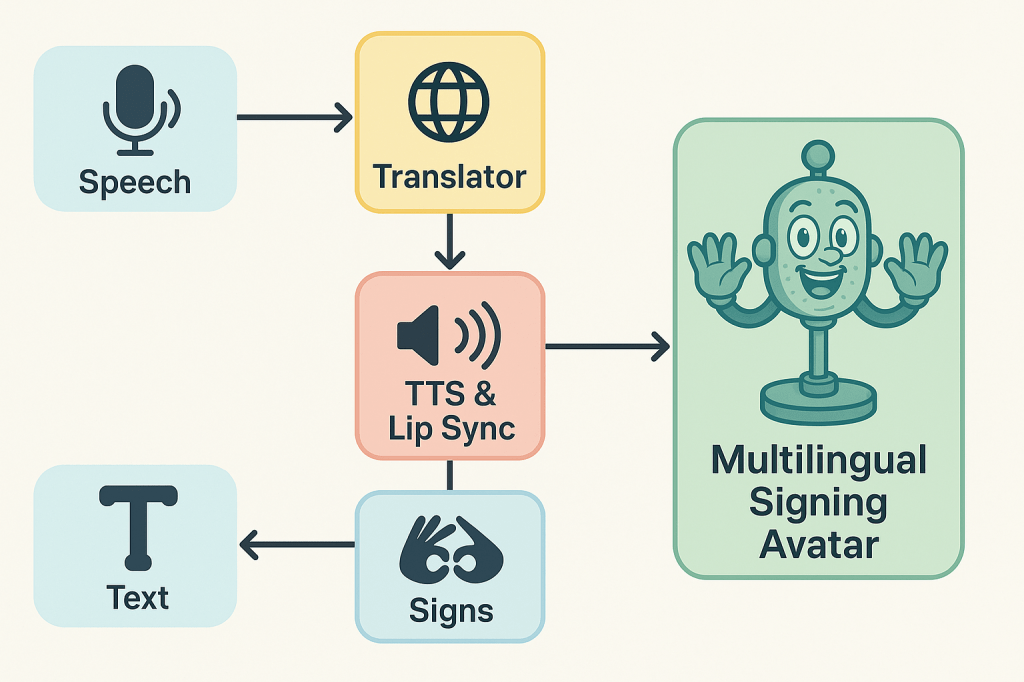
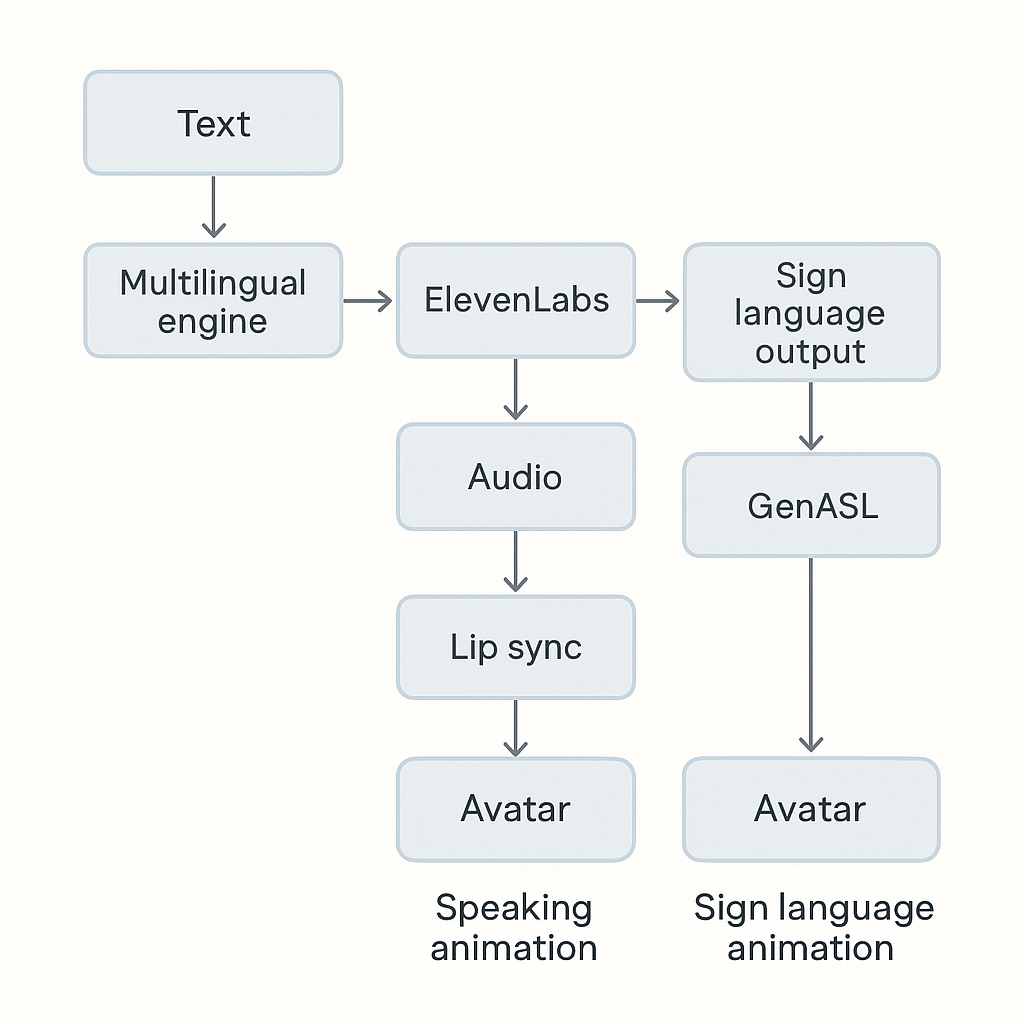
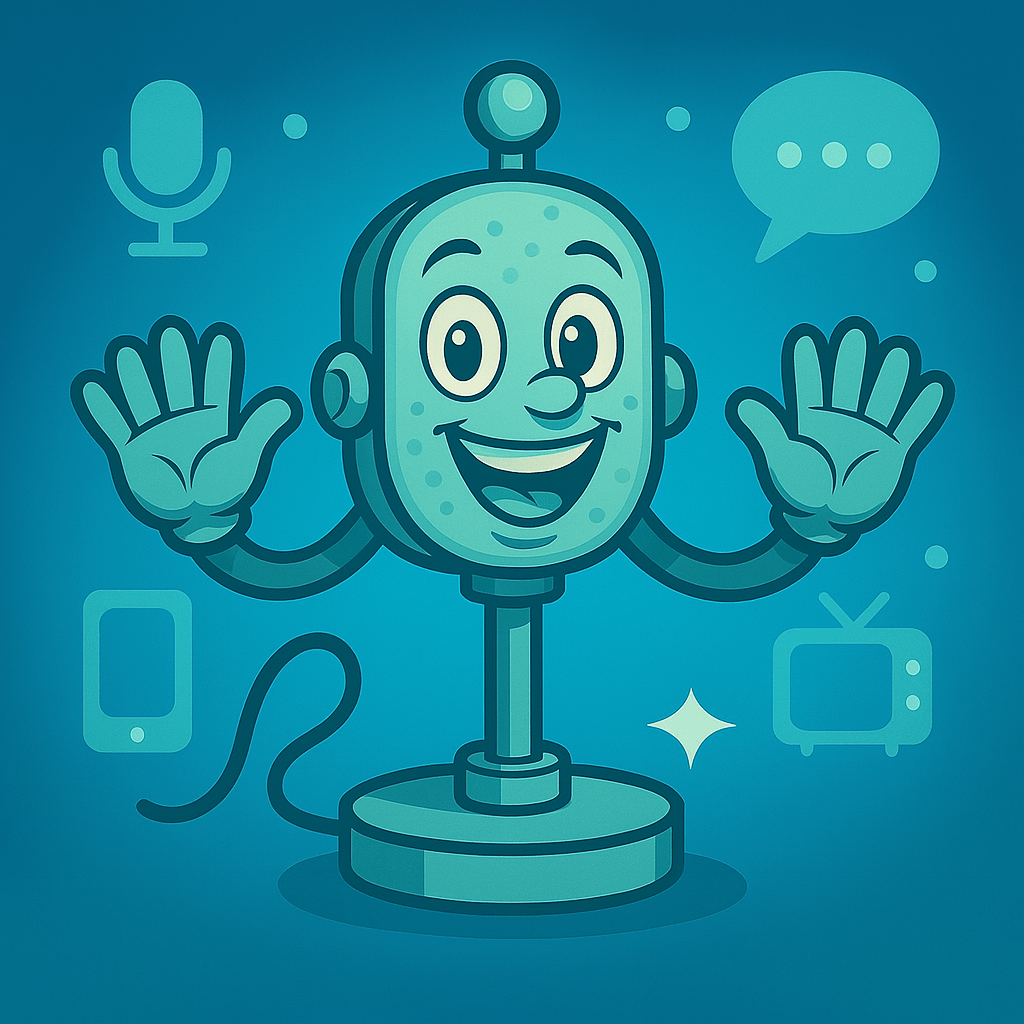
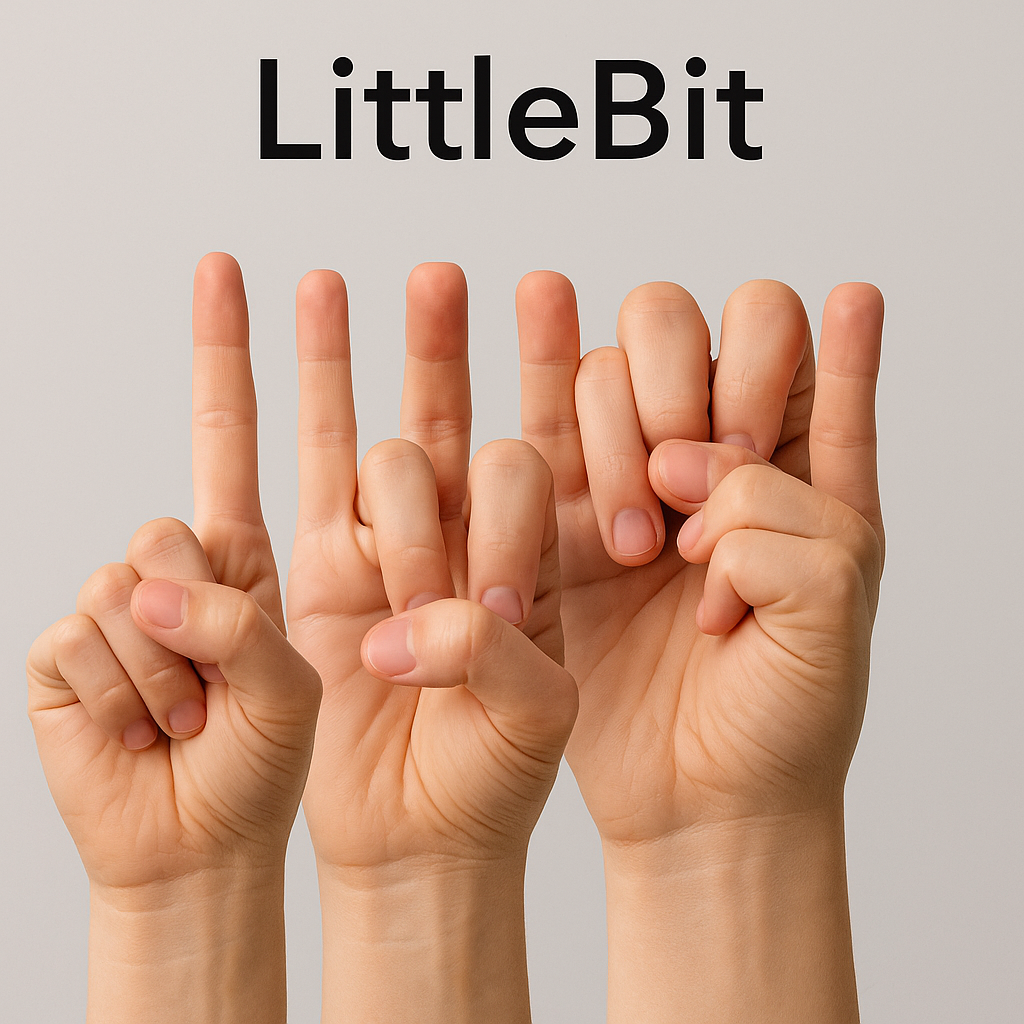
Apologies – AI is having trouble understanding the need for ensuring my character has five fingers at the moment to do what we want – recreating.
Currently comparing .py (Python extraction to Firkin)
Not for record, as waiting on legal to get back to me on final filings… but for today –
LittleBit Use Disclaimer
LittleBit is not a licensed professional. Do not rely on responses for medical, legal, financial, or emergency advice.
Always consult a qualified human expert as needed. We’re bringing in the known world of signing, language and text currently, yet, there is still a variance that you should consult professionals at all time. We might give you questions to ask based on your 100% private sharing, but not qualified with their level of expertise.
Best I could get…
The biggest population-level differences in culture often revolve around how groups define identity, authority, and community. Here are three core areas where cultural differences manifest most significantly:
Individualism vs. Collectivism Individualistic cultures (e.g., U.S., Germany) prioritize personal freedom, self-expression, and autonomy. Collectivist cultures (e.g., Japan, India, Mexico) emphasize group harmony, family obligations, and shared identity. Power Distance Cultures with high power distance (e.g., Russia, Brazil) accept hierarchical structures and defer to authority. Low power distance cultures (e.g., Sweden, New Zealand) value equality and accessible leadership. Communication Style High-context cultures (e.g., China, Arab nations) rely on implicit understanding, shared history, and nonverbal cues. Low-context cultures (e.g., U.S., Germany) favor direct, explicit communication.
These factors influence education, leadership, healthcare, business negotiations, and even how people interpret time or show respect. Would you like a visual diagram showing where different countries fall across these cultural dimensions?
Coming to a TV to you soon… stay tuned.
 Asklittlebit
Leave a comment